

The Future of Travel Sao Tome Passport Price in 2026
The Future of Travel: Sao Tome Passport Price in 2026 As we look towards 2026, understanding the Sao Tome Passport Price 2026 is crucial for both potential travelers and citizens

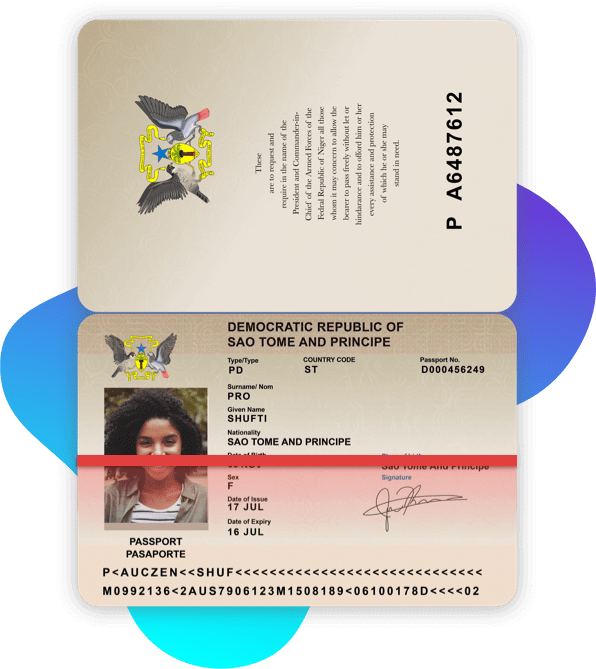
The Future of Travel: Sao Tome Passport Price in 2026
As we look towards 2026, understanding the Sao Tome Passport Price 2026 is crucial for both potential travelers and citizens of São Tomé and Príncipe. The price of a passport is not merely a number; it reflects the nation’s resources, economy, and its position on the global stage. For many, a passport is a gateway to the world, symbolizing the ability to explore new countries, cultures, and opportunities. In this article, we will delve into various aspects surrounding the passport pricing in 2026, examining not only the direct costs but also the broader implications for citizens and travelers from this enchanting island nation.
Historical Context of Passport Pricing in São Tomé and Príncipe
São Tomé and Príncipe, located off the western equatorial coast of Central Africa, has a unique history that plays a significant role in its current economic status. The islands have experienced fluctuating passport pricing influenced by various factors, including economic stability, tourism trends, and government policies.

Historically, the cost of obtaining a passport has changed frequently. In recent years, it has been relatively affordable compared to many other nations, providing a significant benefit for citizens. However, it remains essential to consider how economic factors, inflation, and international relations could impact the cost of passport issuance by 2026.
Expected Changes in Passport Pricing by 2026
As we project into 2026, several trends could affect the price of passports in São Tomé and Príncipe. Economists and analysts generally anticipate rising costs stemming from inflation and increased operational expenses. These changes may be brought about by the government’s need to modernize its passport technology and enhance security features, paralleling trends globally.
Firstly, inflation is a primary concern. As prices of everyday goods and services continue to rise, it is likely that the cost of passport issuance will mirror these changes. Furthermore, the government may invest in more advanced biometric security systems, which could also contribute to the price increase.
Additionally, the demand for travel and the passport’s value in facilitating international movement could lead to changes in pricing strategies. As economies rebound from previous downturns and travel restrictions, more citizens may seek to obtain or renew their passports, potentially increasing the price due to higher demand.
Operational Considerations for Passport Issuance
The infrastructure in São Tomé and Príncipe has undergone various upgrades in recent years, aimed at improving the efficiency of government operations, including passport processing. The introduction of digital applications and online payment systems simplifies the process for citizens, making it easier to apply for or renew a passport.
In anticipation of an increased demand for passports as the world continues to globalize and travel resumes, the government is likely to enhance operational capacities. Funding for these improvements will need to be sourced, and one way to accomplish this could be through increased passport prices.
It is crucial to balance the price increases with accessibility. The government may consider staggered pricing or income-based rates to ensure that all citizens can retain their right to travel despite potential rises in costs.
Impact on Travelers and Citizens
The implications of rising passport prices extend beyond mere numbers; they reflect the sentiments and experiences of the citizens. Understanding how these costs can affect travel plans is vital for both aspiring travelers from São Tomé and Príncipe and visitors to the islands. A higher passport cost might lead to a temporary decline in the number of new passport applications, affecting local tourism and economies reliant on international visitors.
For citizens planning to travel abroad, especially for work or education, the financial burden of a higher passport price could lead individuals to rethink their travel plans. As an island nation, international connections are critical for São Tomé and Príncipe, and making it easier for citizens to obtain passports can enhance opportunities. Hence, the government must consider the socio-economic implications when deciding on passport pricing.
Comparative Analysis: Passport Prices in the Region
Understanding passport pricing in São Tomé and Príncipe can also benefit from a comparative analysis with neighboring countries. Countries with similar economic backgrounds and tourism potential can provide context for emerging trends. For instance, how does the passport price in São Tomé compare with that of Angola or Gabon? An analysis here could provide insights into potential pricing strategies or areas for improvement in administration.
Countries with higher passport prices often benefit from advanced technology and global standing, while lower-cost nations may grapple with infrastructural challenges that impede efficient processing. By evaluating these comparative factors, decision-makers in São Tomé can establish a more balanced approach to setting prices.
Future Considerations for São Tomé Passport Holders
As

we approach 2026, ongoing discussions about passport pricing and global mobility are essential. For existing passport holders, keeping abreast of potential price changes is vital, particularly concerning renewals and applications for family members.
Ensuring that citizens can afford passport fees can lead to an increase in global exposure, greater cultural exchange, and more robust international relations. Citizens must advocate for transparent pricing structures that consider socio-economic diversity, ensuring every individual has access to international travel.
As part of the broader discussion about fare prices, the importance of educating citizens about the renewing process, costs involved, and the overall value of holding a passport cannot be understated. Workshops, government initiatives, and awareness campaigns could significantly improve public understanding and engagement.
Conclusion: The Road Ahead
In conclusion, the São Tomé Passport Price in 2026 will likely reflect a multitude of factors from economic trends to technological advancements and the overarching need for accessibility. As we approach this year, it is essential to monitor these developments and engage in discussions about the implications of pricing changes. For both travelers and citizens, understanding the landscape surrounding passport costs is vital; it not only facilitates international mobility but also shapes the nation’s engagement with the world. Keeping abreast of changes, advocating for transparency, and ensuring broader access to passport services will remain crucial as we move forward into 2026 and beyond.
